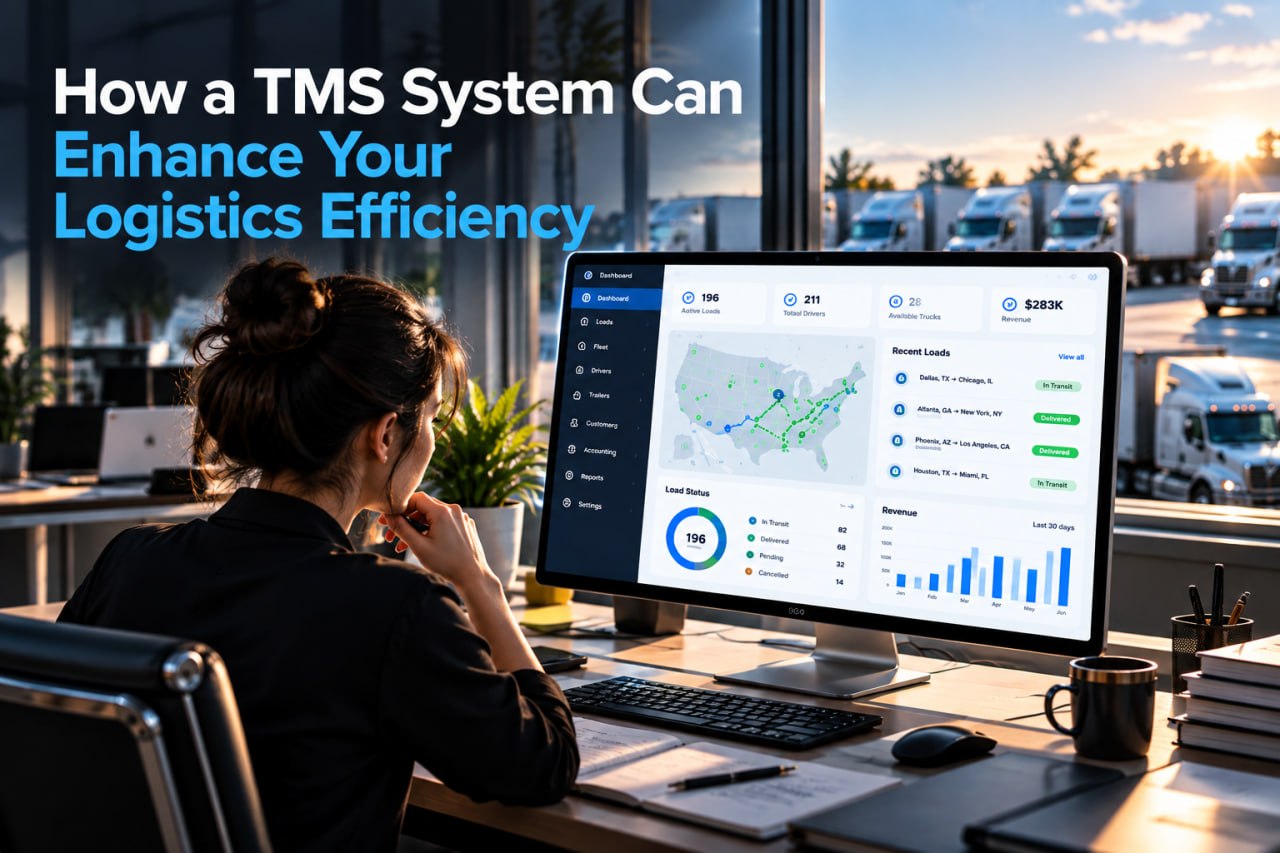
Understanding the Role of a TMS in Modern Logistics
A Transportation Management System (TMS) serves as a crucial backbone of modern logistics, facilitating the planning, execution, and optimization of the physical movement of goods. By integrating various components of supply chain management, a TMS allows businesses to make informed decisions based on real-time data.
Moreover, a TMS enhances communication between different stakeholders, including suppliers, carriers, and customers, ensuring that everyone involved is on the same page and can respond quickly to any changes in demand or logistics challenges.
Key Features of an Effective TMS System
An effective TMS should include features such as route optimization, load planning, and real-time tracking capabilities. These features help logistics managers plan the most efficient routes and consolidate shipments, leading to significant time and cost savings.
Additionally, a good TMS will offer robust reporting and analytics tools, enabling businesses to identify patterns, measure performance metrics, and make data-driven decisions that enhance operational efficiency.
The Impact of TMS on Cost Reduction and Resource Optimization
A well-implemented TMS can lead to substantial cost reductions by optimizing transportation routes and minimizing empty miles. This not only reduces fuel costs but also enhances asset utilization, ensuring that resources are deployed effectively.
Furthermore, by automating many manual processes, a TMS minimizes labor costs and reduces the likelihood of errors, contributing to a leaner, more efficient operation.
Improving Customer Satisfaction through Enhanced Visibility
Enhanced visibility is one of the standout benefits of a TMS, allowing customers to track their shipments in real-time. This level of transparency builds trust and confidence, as customers appreciate being informed about their orders' status.
In addition, with better visibility into supply chain operations, companies can proactively address potential delays or issues, ensuring timely delivery and improving overall customer satisfaction.
Future Trends in TMS Technology and Logistics
As technology evolves, the future of TMS is set to be shaped by advancements such as artificial intelligence and machine learning. These technologies can enable predictive analytics, helping logistics companies anticipate demand and optimize inventory levels.
Moreover, the integration of Internet of Things (IoT) devices will provide even greater real-time data, allowing for dynamic adjustments in transportation strategies and further enhancing efficiency.